Norms Restoration of 1939 Leyland TD5 [1635]
2025
Mechanical September
Norman Julian 12 Sep
A job I wasn't looking forward to doing is now done.
The starters on these buses are heavy enough but trying to lift one up from a laying position on the ground is too much for me.
I therefore placed it on a trolley lift and placed it on a piece of wood that is sitting on the front axle and slid it across.
I did this with the 31 seater.
I took it out for a few reasons.
Firstly I wanted to check inside of it.
Look over the armature and carbon brushes to make sure everything is as it should be.
Blowing all the dust out from inside with the air compressor, which by the way was a lot.
The second and most important is the accumulation of dirt and grease that can sit there.
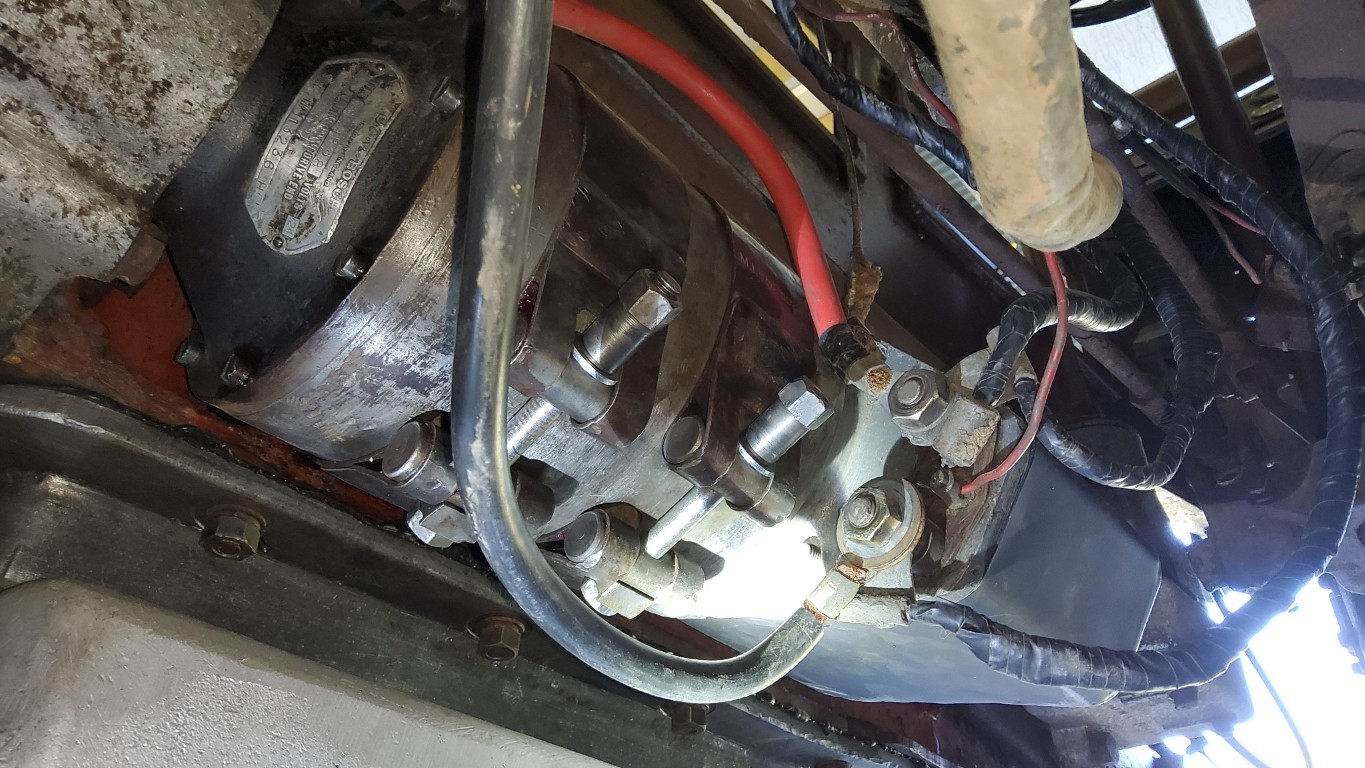
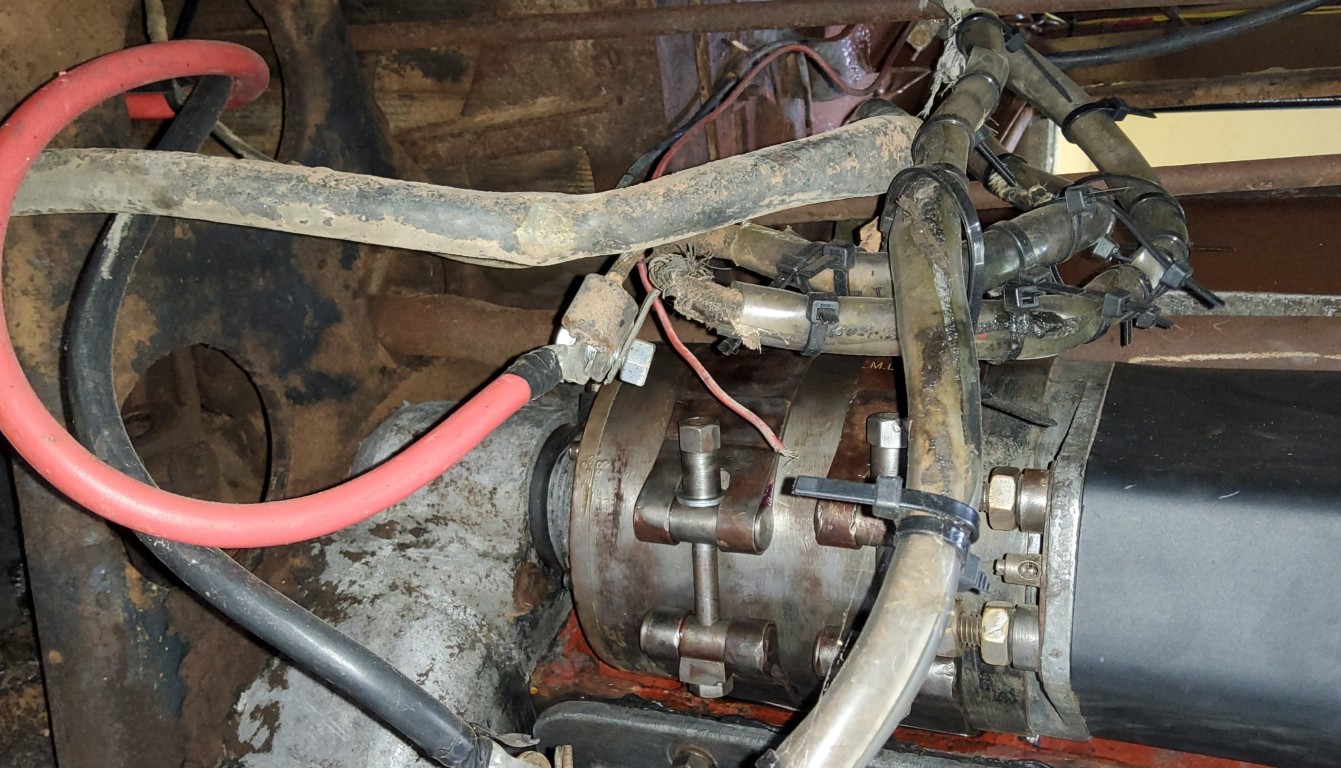
Anyway, after putting it back I needed to do something with the cables going to it.
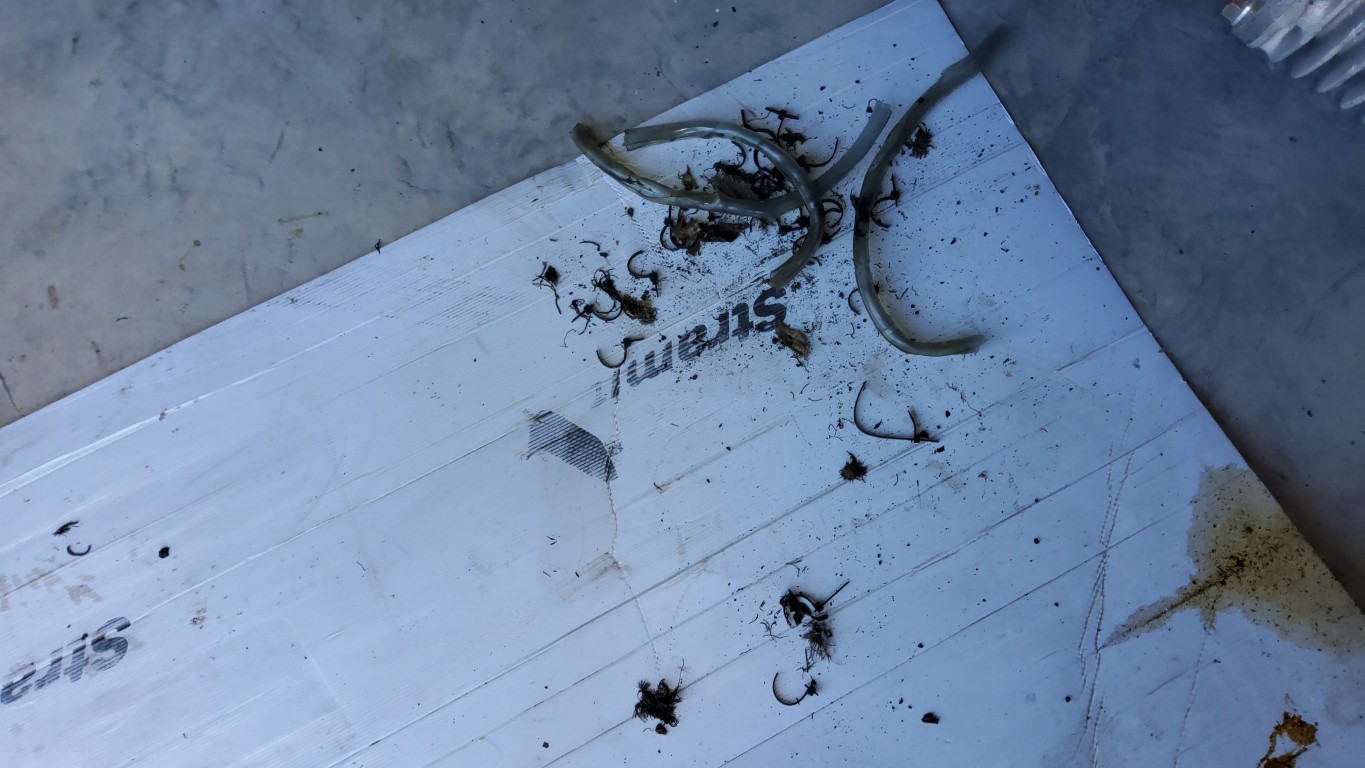
Someone in the past put clear tubing around the cables and used zip ties to hold it all together.
Needless to say it looked dreadful and if you put your arms anywhere close to it you would cut yourself up.
I peeled all that off and inspected the insulation which the old cloth type stuff was flaking off through age.
I pulled off the bad stuff noticed the naked wiring looked pretty good.
I used proper car wire insulation tape.
It's not that cheap insulation tape you get at Bunnings.
This is a material thread and will do for now.
Probably down the track I will replace the cable with new and better stuff.
A job I wasn't looking forward to doing is now done.
The starters on these buses are heavy enough but trying to lift one up from a laying position on the ground is too much for me.
I therefore placed it on a trolley lift and placed it on a piece of wood that is sitting on the front axle and slid it across.
I did this with the 31 seater.
I took it out for a few reasons.
Firstly I wanted to check inside of it.
Look over the armature and carbon brushes to make sure everything is as it should be.
Blowing all the dust out from inside with the air compressor, which by the way was a lot.
The second and most important is the accumulation of dirt and grease that can sit there.
Anyway, after putting it back I needed to do something with the cables going to it.
Someone in the past put clear tubing around the cables and used zip ties to hold it all together.
Needless to say it looked dreadful and if you put your arms anywhere close to it you would cut yourself up.
I peeled all that off and inspected the insulation which the old cloth type stuff was flaking off through age.
I pulled off the bad stuff noticed the naked wiring looked pretty good.
I used proper car wire insulation tape.
It's not that cheap insulation tape you get at Bunnings.
This is a material thread and will do for now.
Probably down the track I will replace the cable with new and better stuff.
Pablo E. Laredo
One of the foibles in 80 series Landcruisers is the starter cables go high relative resistance.
The cable looks good, but the voltage drop is enough not to allow it to turn the starter over.
Where I'm going with this, is you may find something similar in that 80odd year old starter cable making your starter grumpy.
Norman Julian
Pablo E. Laredo yeah I understand where you're coming from.
On the day I picked it up it sounded well and not struggling to turn over.
In saying that I will probably change the cables down the path.
One of the foibles in 80 series Landcruisers is the starter cables go high relative resistance.
The cable looks good, but the voltage drop is enough not to allow it to turn the starter over.
Where I'm going with this, is you may find something similar in that 80odd year old starter cable making your starter grumpy.
Norman Julian
Pablo E. Laredo yeah I understand where you're coming from.
On the day I picked it up it sounded well and not struggling to turn over.
In saying that I will probably change the cables down the path.
Norman Julian 15 Sep
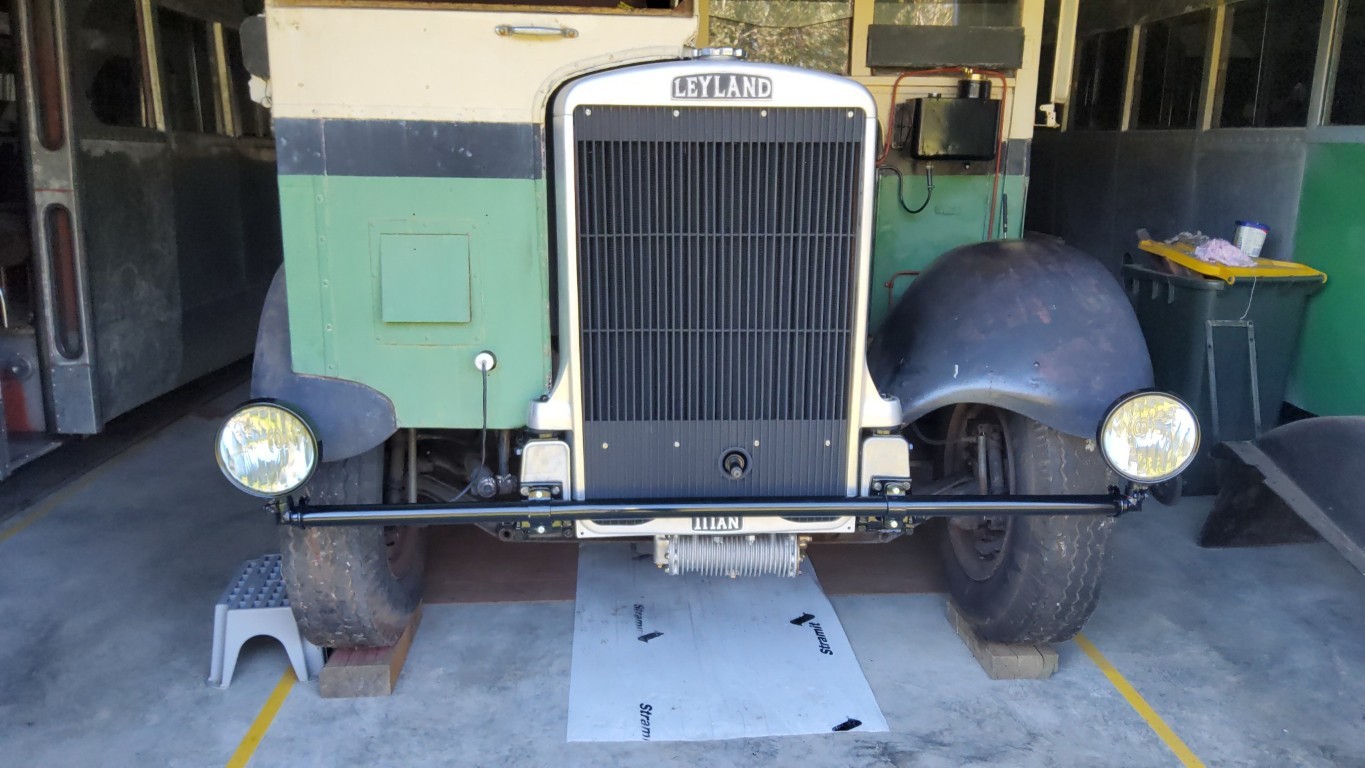
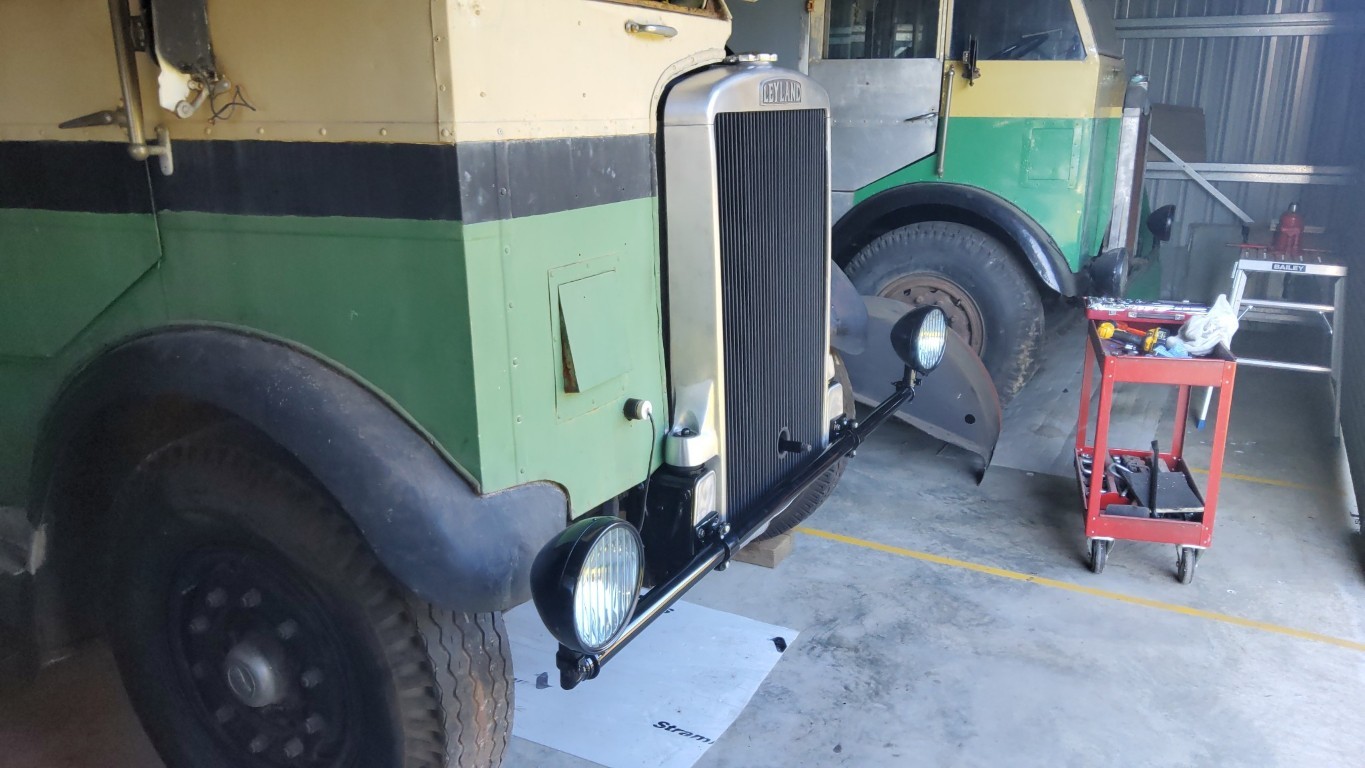
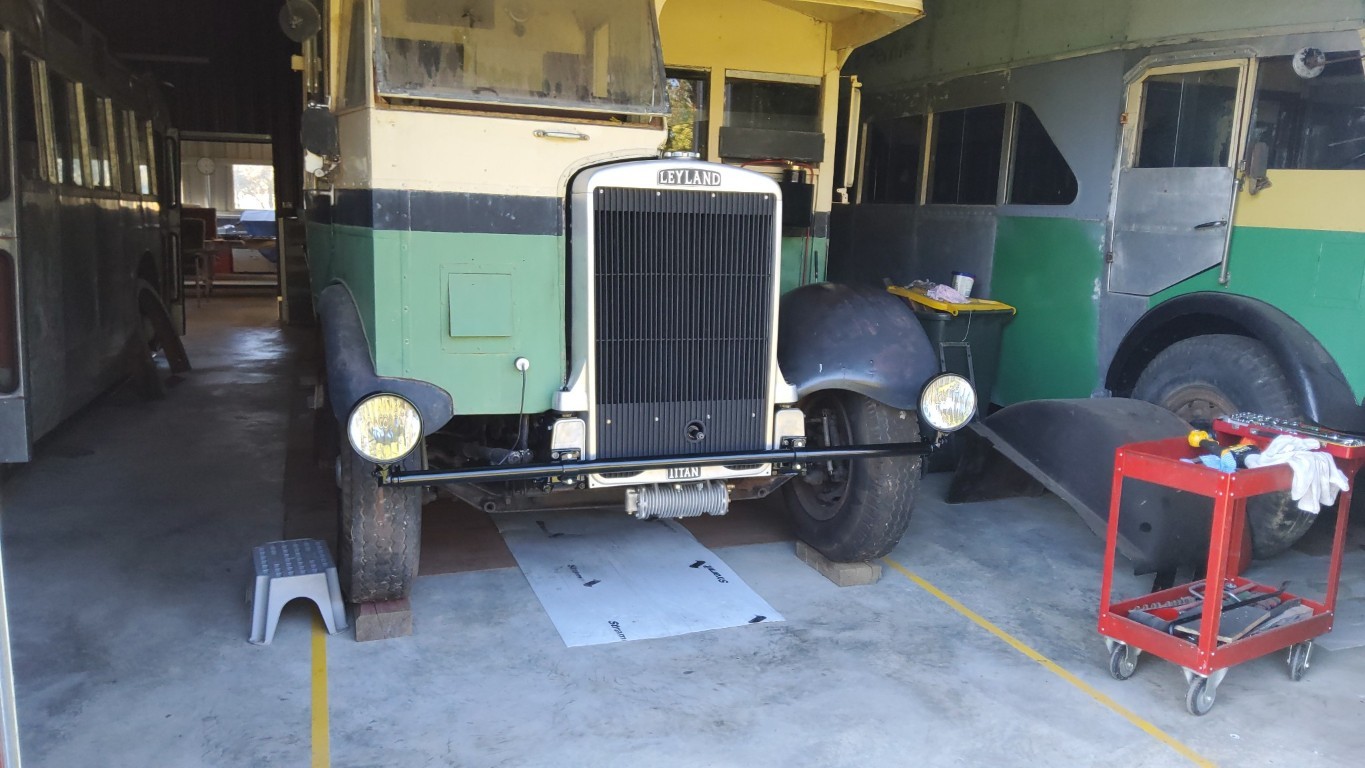
With a little help from my better half, I managed to get the radiator back on and now the TD5 is starting to look like a bus again.
I was pleased that my calculations of where the crank handle hole fell.
It is a little higher off centre but that was the aim.
Over time the new rubber bushes will settle and the rad.
will go down to settle where it is supposed to.
For those that are new members, I reconditioned this radiator a few years ago with new tube seals, and a new hand made grill.
The aluminium frame which is quite thick had lots of dints.
There was enough material for me to sand all of the dints out.
The same was done with the radiator cap.
That was fun.
The top and bottom tanks were cleaned and bead blasted as well as many many weeks working on the fins on the tubes.
They are easily crushed.
Every tube fin was painstakingly straightened.
The headlight and headlight bar got their final top coat of gloss black.
With a little help from my better half, I managed to get the radiator back on and now the TD5 is starting to look like a bus again.
I was pleased that my calculations of where the crank handle hole fell.
It is a little higher off centre but that was the aim.
Over time the new rubber bushes will settle and the rad.
will go down to settle where it is supposed to.
For those that are new members, I reconditioned this radiator a few years ago with new tube seals, and a new hand made grill.
The aluminium frame which is quite thick had lots of dints.
There was enough material for me to sand all of the dints out.
The same was done with the radiator cap.
That was fun.
The top and bottom tanks were cleaned and bead blasted as well as many many weeks working on the fins on the tubes.
They are easily crushed.
Every tube fin was painstakingly straightened.
The headlight and headlight bar got their final top coat of gloss black.
Lorie Norton
She’s looking good
Phil Steele
Wow, restoration work is moving along nicely , thanks for the update and keep up your fantastic work
Graeme Knappick
Looks fantastic!
Robert Hood
Looks great Norm. Top marks from me!
Rodney Amphlett
They look so much better in green to contrast with the modern buses they ran alongside.
Robert Bothwell
Great craftsmanship Norman Julian .
She’s looking good
Phil Steele
Wow, restoration work is moving along nicely , thanks for the update and keep up your fantastic work
Graeme Knappick
Looks fantastic!
Robert Hood
Looks great Norm. Top marks from me!
Rodney Amphlett
They look so much better in green to contrast with the modern buses they ran alongside.
Robert Bothwell
Great craftsmanship Norman Julian .
Norman Julian 17th Sep
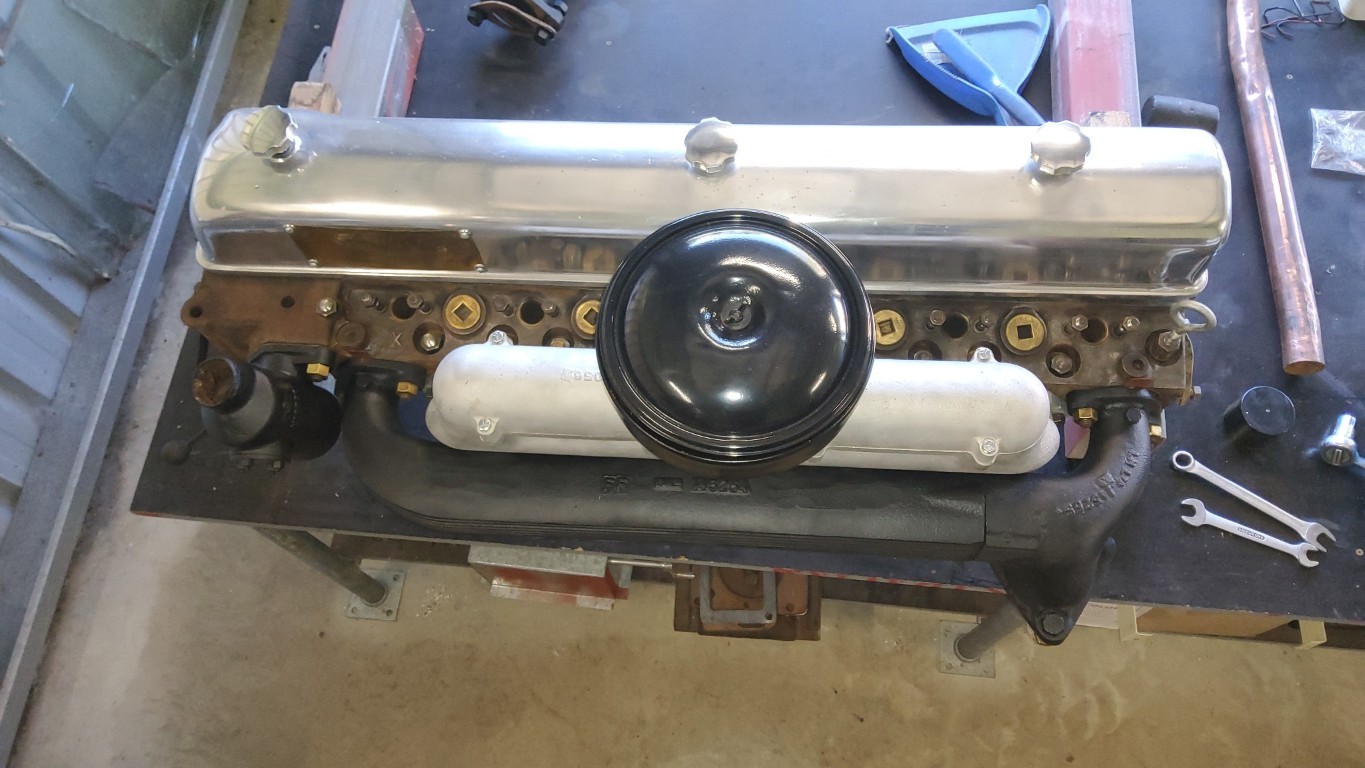
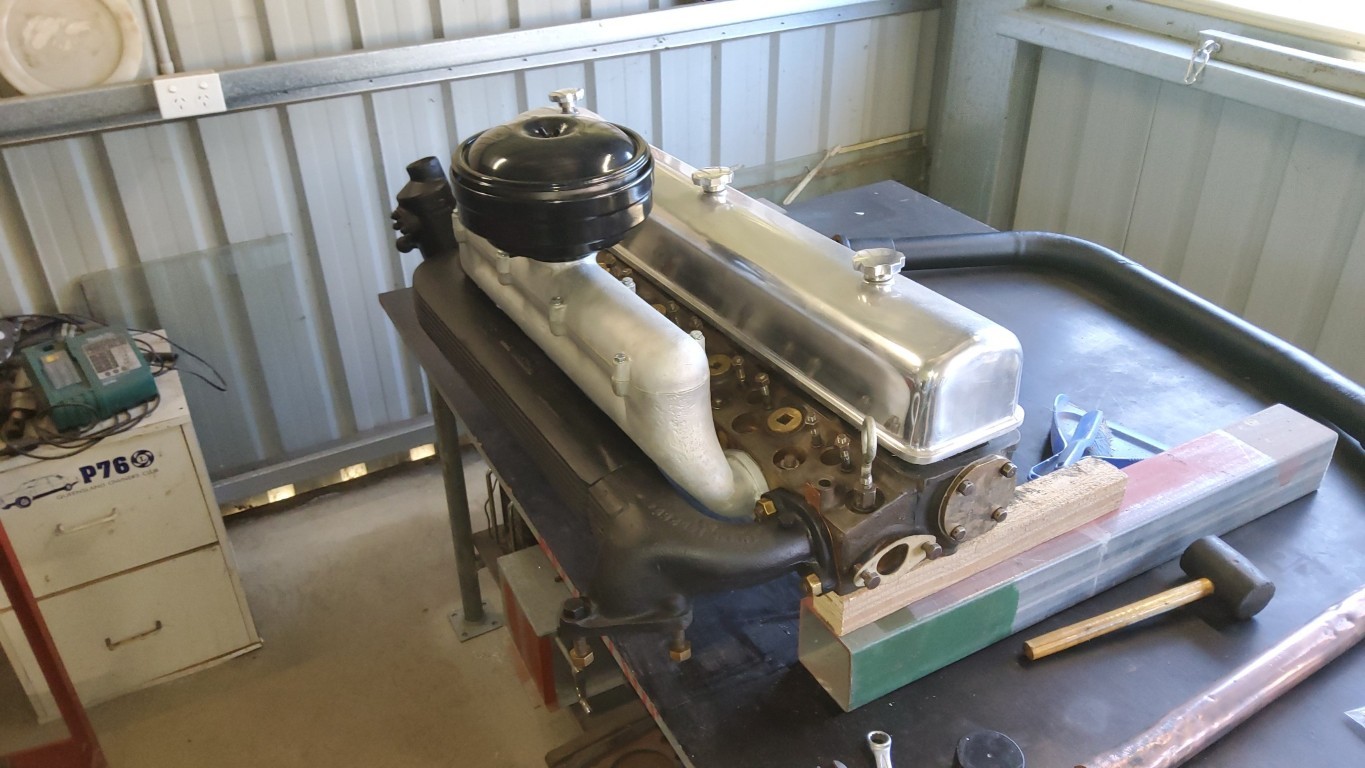
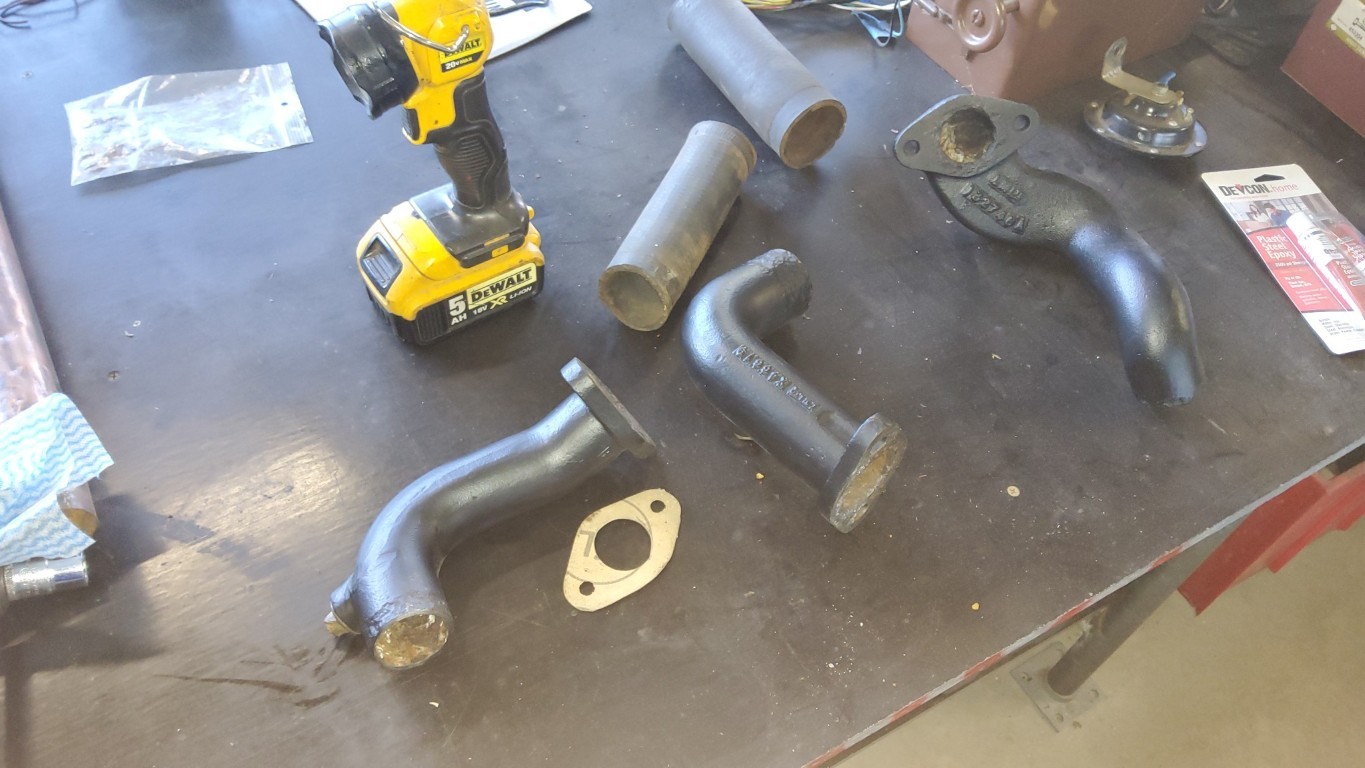
Today I just put back on what was needed at this stage to get the head back on.
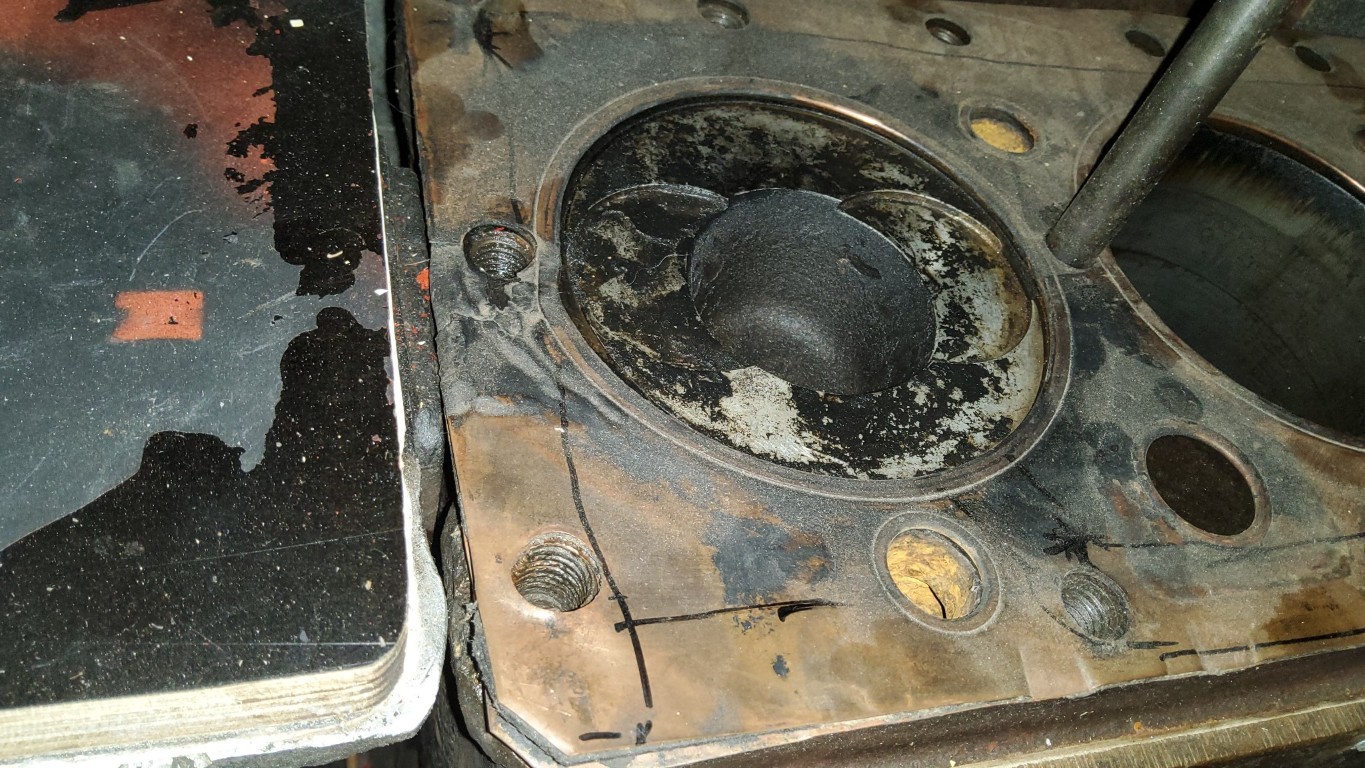
I still have to deal with the chunk missing off the side of the block near the front.
I have spoken to quite a few experts on welding as well as watching numerous videos on very old cast
steel like this block is made from, and not one can give any guarantees that even with all the preparations
you can give it will weld the way you want.
The best percentage chances was 50/50.
It was then that using special filler was incredibly successful.
What's got happen is where the bolt snapped the side of the block off has to be placed back on and filled around it.
Small holes into the steel has to be drilled and dowels placed in to give the filler something to hand on to.
I want to go one step further and drill deeper into the block and tap a thread so as to have more strength for the bolt.
The trouble with that is only a few millimetres deeper and you are into the water galleries.
Anyway, my apprehension is the reason I haven't done it yet.
On looking at the bus for the first time my tow driver had to hitch it up in the back lane of the house it was parked up.
The owner told me about the chuffing sound it had as it was running.
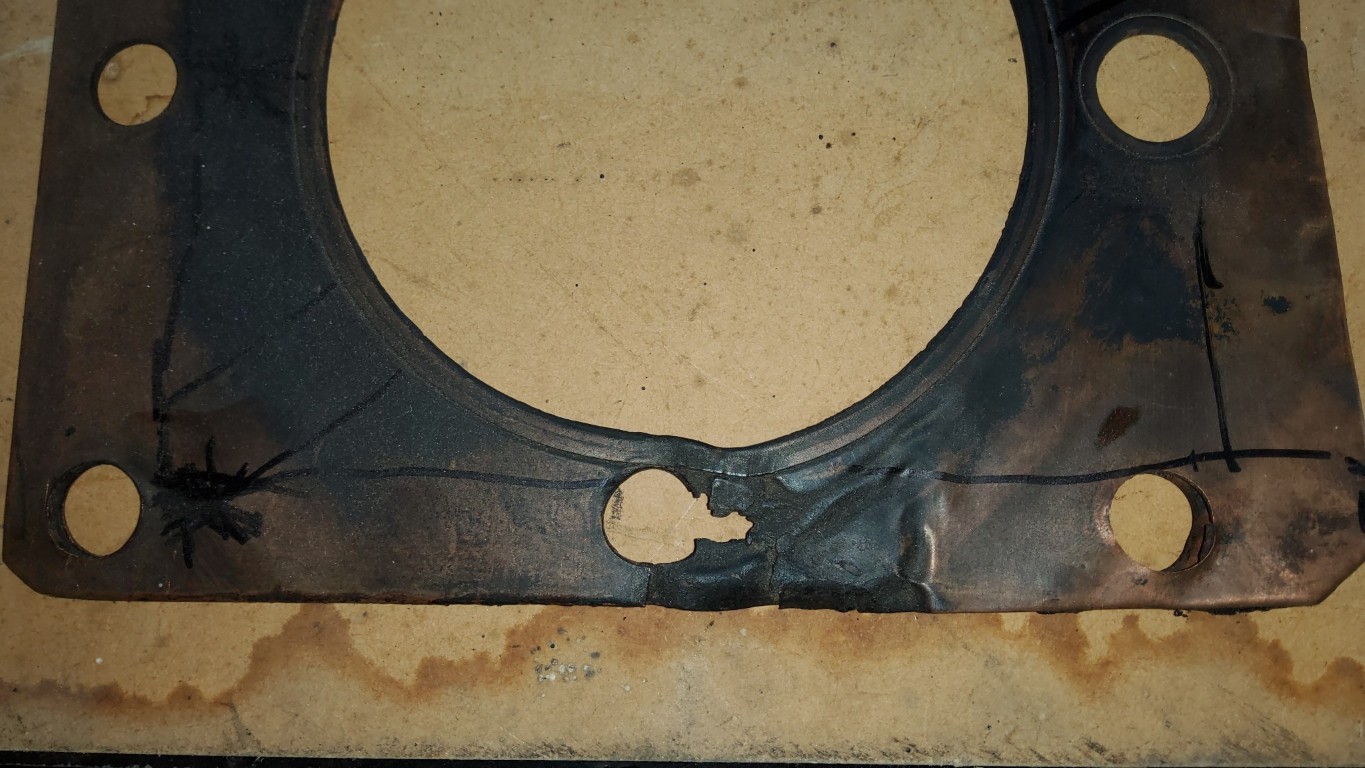
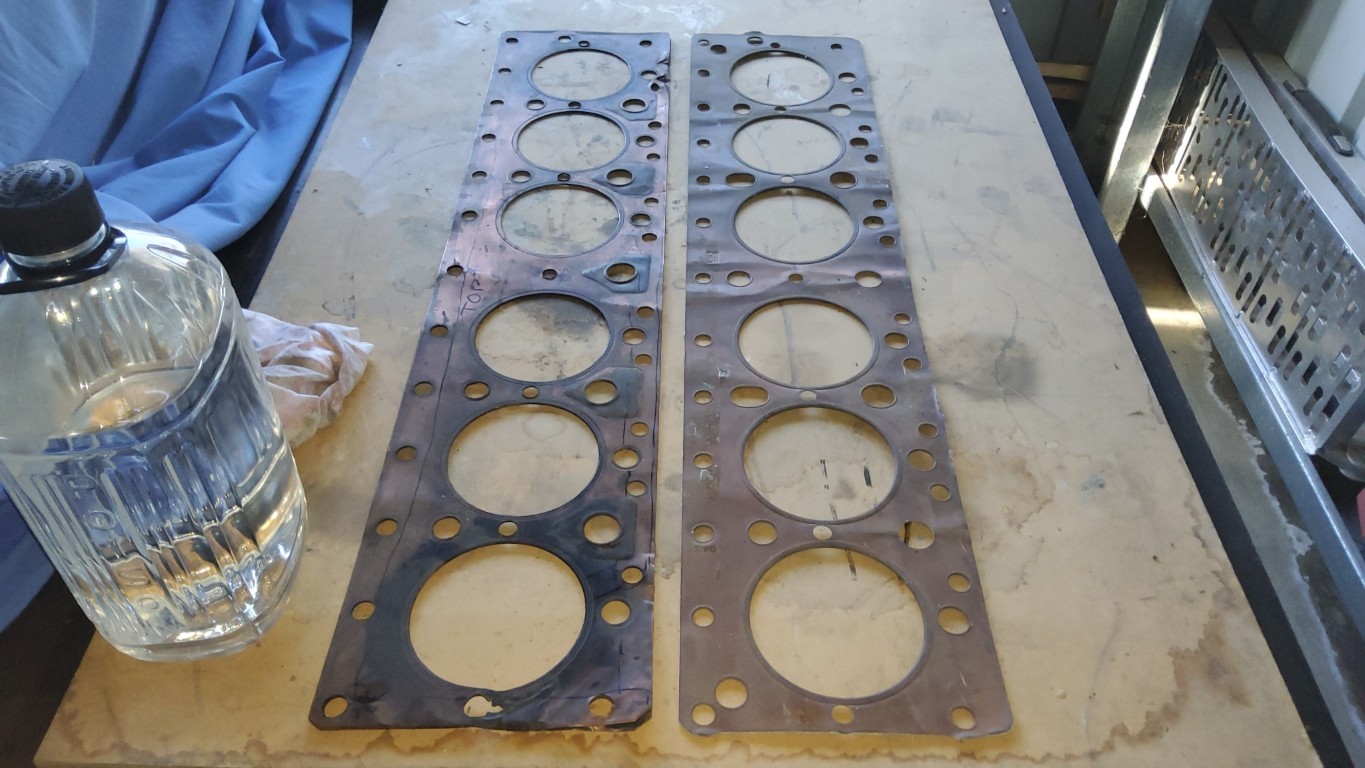
After hearing it myself I was sure it was a blown head gaket.
If you look at the head gasket (pictured) close up you can see where the gasket has blown.
I'm 80% sure this is the reason why it was chuffing but sometimes it can be an injector.
Anyway, I want to get this engine back into a running mode.
Fully overhauling this engine is out of the question.
Anyway, with a new head gasket and repair to the block, it will be OK to drive at some point.
Today I just put back on what was needed at this stage to get the head back on.
I still have to deal with the chunk missing off the side of the block near the front.
I have spoken to quite a few experts on welding as well as watching numerous videos on very old cast
steel like this block is made from, and not one can give any guarantees that even with all the preparations
you can give it will weld the way you want.
The best percentage chances was 50/50.
It was then that using special filler was incredibly successful.
What's got happen is where the bolt snapped the side of the block off has to be placed back on and filled around it.
Small holes into the steel has to be drilled and dowels placed in to give the filler something to hand on to.
I want to go one step further and drill deeper into the block and tap a thread so as to have more strength for the bolt.
The trouble with that is only a few millimetres deeper and you are into the water galleries.
Anyway, my apprehension is the reason I haven't done it yet.
On looking at the bus for the first time my tow driver had to hitch it up in the back lane of the house it was parked up.
The owner told me about the chuffing sound it had as it was running.
After hearing it myself I was sure it was a blown head gaket.
If you look at the head gasket (pictured) close up you can see where the gasket has blown.
I'm 80% sure this is the reason why it was chuffing but sometimes it can be an injector.
Anyway, I want to get this engine back into a running mode.
Fully overhauling this engine is out of the question.
Anyway, with a new head gasket and repair to the block, it will be OK to drive at some point.

Phil Steele
Very clean worksite, thanks for the update
Robert Sheedy
Good old oil bath air cleaner remember servicing them in my apprenticeship.
Well done mate 👏
Very clean worksite, thanks for the update
Robert Sheedy
Good old oil bath air cleaner remember servicing them in my apprenticeship.
Well done mate 👏
This site is hosted on
Crazy Domains & Hosting  Unlimited Web Hosting |
Last updated September, 2025 |
This web site may contain Copyright material If you find any problems with the site, please email the Web Editor  |